Binance Suffers Record $6.4B Exploit as Hackers Target Hot Wallets
Binance faces a historic $6.4 billion exploit as hackers drain hot wallets across multiple blockchains, prompting a massive freeze and recovery effort.
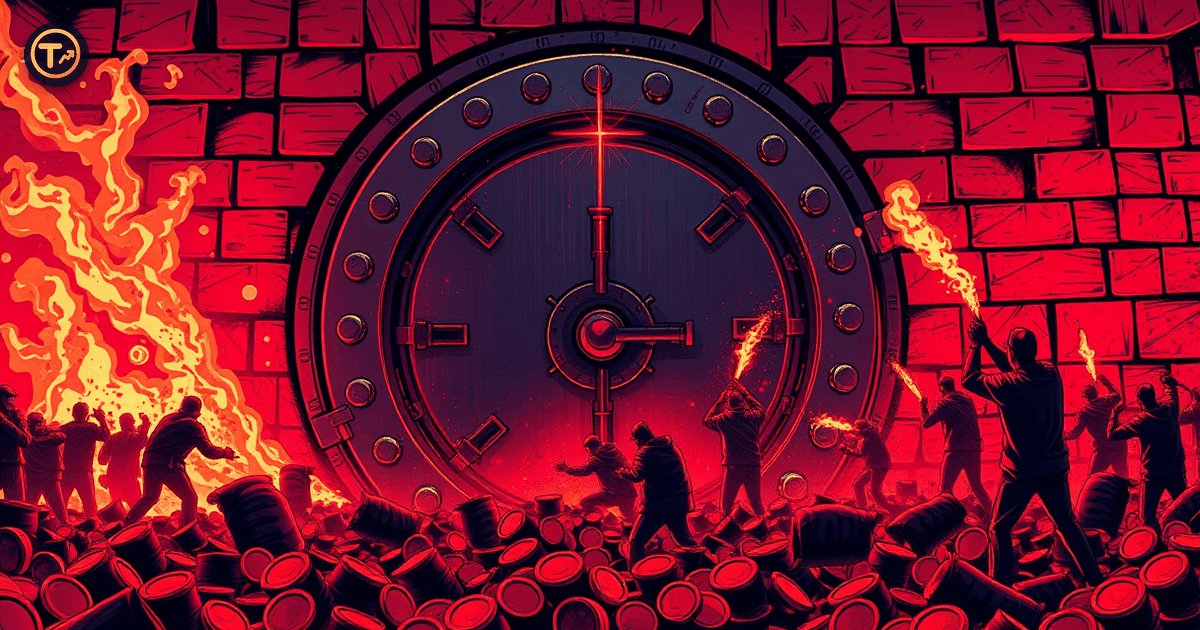
Cryptocurrency exchange Binance has experienced a staggering security breach resulting in the theft of roughly $6.4 billion in digital assets, marking the largest hack in the history of the sector. Attackers drained funds from Binance hot wallets across approximately ten blockchains within a narrow time window, exploiting internal signing infrastructure rather than underlying blockchain protocols. Co-CEO Richard Teng confirmed that the exchange will fully cover the losses utilizing internal reserves and the Secure Asset Fund for Users, ensuring that customer funds remain entirely safe.
Anatomy of a Multichain Security Breach
The incident commenced after U.S. markets closed on Thursday, when malicious actors bypassed standard approval controls by leveraging Ethereum's EIP-7702 upgrade. This standard allowed hot wallets to temporarily execute smart contract code, transforming them into sweeper contracts that rapidly extracted assets. Blockchain analytics firms TRM Labs and Chainalysis estimated the total loss between $6.3 billion and $6.4 billion, easily overshadowing previous industry heists. Investigators noted that the hackers utilized a self-destruct mechanism to erase tooling traces, and analytics firms linked the operation to the North Korean state-sponsored group TraderTraitor, which was previously connected to the Bybit and Bitget exploits.
Industry Response and Asset Freezing
Unlike previous security breaches, centralized stablecoin issuers acted rapidly to mitigate the damage by blacklisting suspicious addresses. Tether successfully froze more than $1.5 billion in USDT, while Circle blocked approximately $823 million in USDC, bringing total frozen or located funds to roughly $3 billion. However, the attacker retained control of substantial unfreezable balances, including thousands of Bitcoin and hundreds of thousands of Ethereum, continuing to redistribute assets via automation tools and cross-chain protocols like THORChain.
Background on Binance and Infrastructure Vulnerabilities
Historically, centralized exchanges have remained prime targets for sophisticated threat actors due to the sheer volume of liquidity stored in hot wallets for operational needs. Binance initially traced the entry point to a compromised DevOps engineer laptop, though subsequent forensic reviews by executives revealed a more complex attack vector involving multiple breach points rather than a single point of failure. Unlike past historical precedents such as Mt. Gox or FTX, where user funds vanished permanently, exchange leadership committed over $6.34 billion in company funds and matching token reserves to absorb the financial blow entirely.
Market Reaction and Future Outlook
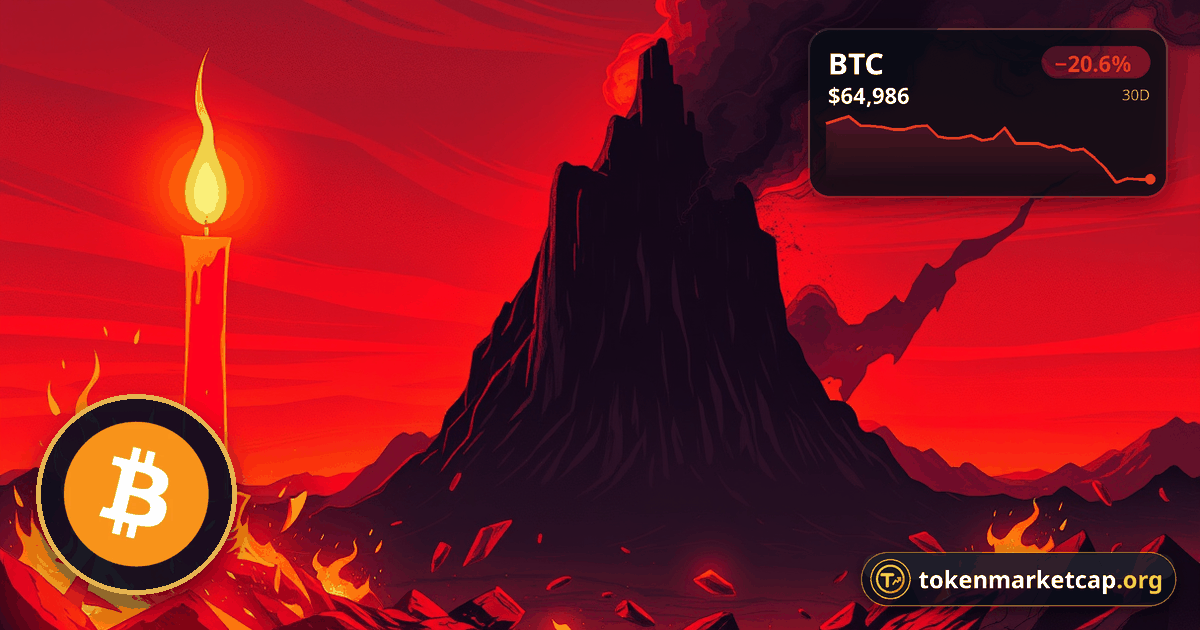
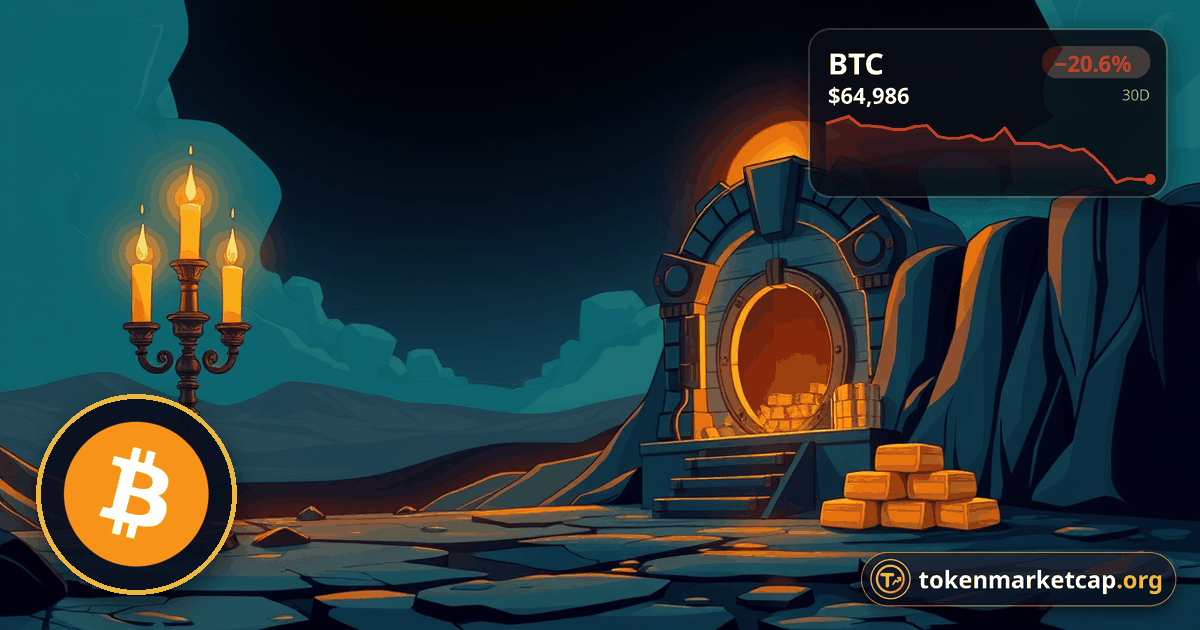
Despite the historic valuation of the exploit, broader digital asset markets displayed unexpected resilience, with Bitcoin dipping roughly 4% before stabilizing. Wall Street institutions and regulatory officials offered divergent perspectives, with CFTC Chairman Michael Selig pointing to the incident as justification for stricter oversight on offshore crypto platforms. Binance aims to restore normal withdrawal operations following comprehensive security audits and intends to publish a complete proof-of-reserves report to reassure participants.
Часто задаваемые вопросы
How much was stolen in the Binance hack?⌄
Blockchain analytics firms Chainalysis and TRM Labs estimated the total stolen amount at approximately $6.4 billion. Binance set aside over $6.34 billion in company funds and emergency reserves to cover the losses.
Who is suspected of carrying out the Binance exploit?⌄
Blockchain analytics firms Chainalysis and TRM Labs attributed the attack to TraderTraitor, a North Korean state-linked hacking group also connected to earlier exchange heists.
Are customer funds safe at Binance following the hack?⌄
Binance executives stated that customer assets were never touched during the breach. The exchange pledged to cover every dollar of the loss using company reserves and its Secure Asset Fund for Users.
Что думаете об этой новости?
Источники
Об этой статье
Материал редакции TokenMarketCap. Мы анализируем несколько независимых источников и пишем материал самостоятельно, никогда не перепечатывая чужие тексты. Все данные проверяются перед публикацией.
Материал носит информационный характер и не является инвестиционной рекомендацией. Проводите собственное исследование перед решением.