North Korea Denies Binance Hack Role as FBI Blames TraderTraitor
North Korea rejects FBI claims blaming its hackers for a $6 billion Binance exploit, while the exchange restores phased withdrawals.

North Korea has formally rejected American accusations linking state-backed hackers to a record digital asset theft from Binance, dismissing the attribution as a politically motivated attack. Pyongyang official Kim Yo Jong issued a statement through state media denying responsibility for the massive breach while suggesting that Washington might ultimately benefit from the recovered funds. Meanwhile, the U.S. Federal Bureau of Investigation maintained that a hacking collective known as TraderTraitor executed the multi-billion-dollar exploit. As geopolitical tensions mount, Binance has resumed platform withdrawals and absorbed the majority of the financial deficit using corporate reserves and emergency funds.
Background on the Binance Breach and Investigations
The incident stems from an unauthorized outflow exceeding six billion dollars in virtual assets from Binance. Federal investigators, alongside blockchain intelligence firms including TRM Labs and Chainalysis, quickly pointed toward North Korean operatives. Law enforcement agencies such as the U.S. Secret Service and IRS Criminal Investigation mobilized immediately, freezing a portion of the illicitly transferred tokens within minutes. Historically, state-sponsored cyber units from Pyongyang have faced similar accusations regarding major exchange intrusions, though authorities note the sheer scale of this event dwarfs previous digital heists.
Laundering Tactics and International Response
Digital forensics reveal that the perpetrators are rapidly shifting the stolen capital across multiple blockchains to obscure the trail. Analytics platforms observed substantial transaction volume moving through cross-chain bridges, instant exchanges, and privacy-enhancing protocols at a relentless pace. In response, regulatory bodies and blockchain firms blacklisted numerous addresses linked to the hackers. Concurrently, stablecoin issuers like Circle froze substantial amounts of associated tokens, while international law enforcement coordinates to intercept the remaining funds before they convert into fiat currency entirely.
Binance Operations and Market Fallout
Following the security breach, Binance temporarily halted platform withdrawals, sparking widespread anxiety across the digital asset ecosystem. Exchange executives later confirmed that corporate reserves, internal insurance funds, and the Secure Asset Fund for Users (SAFU) covered roughly ninety-five percent of the impacted balances. As withdrawal operations resumed in phases, net outflows spiked before stabilizing as inbound deposits began to outpace outgoing transactions. Institutional products also felt the shockwave, with spot exchange-traded funds experiencing notable net redemptions during the trading sessions immediately following the disclosure.
Market Implications and Outlook
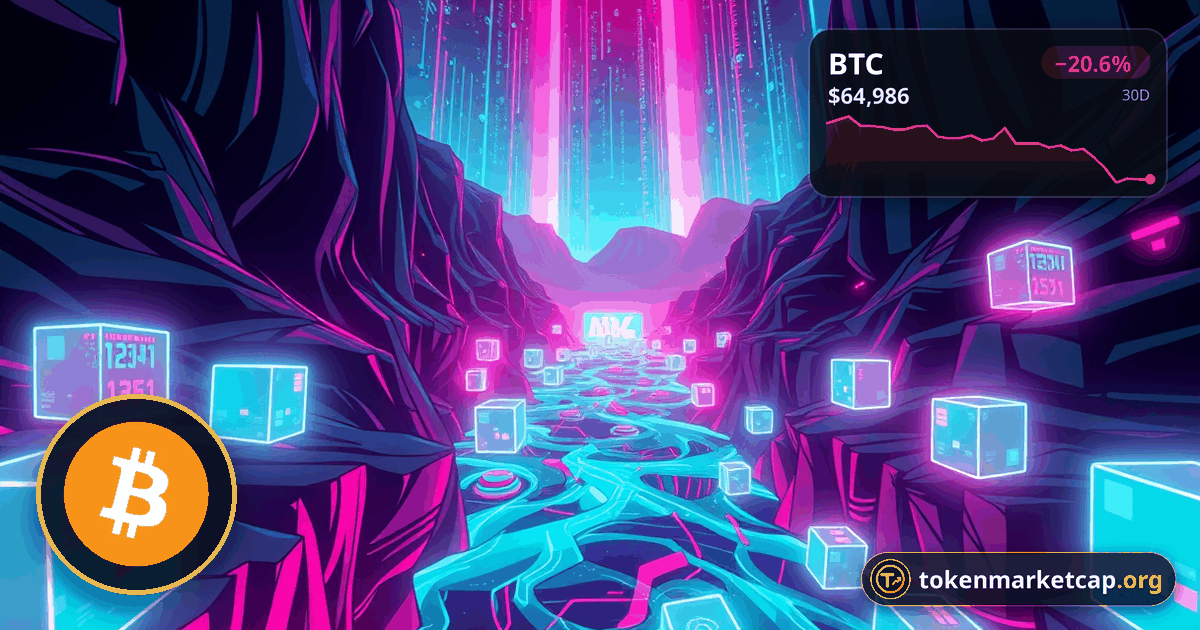
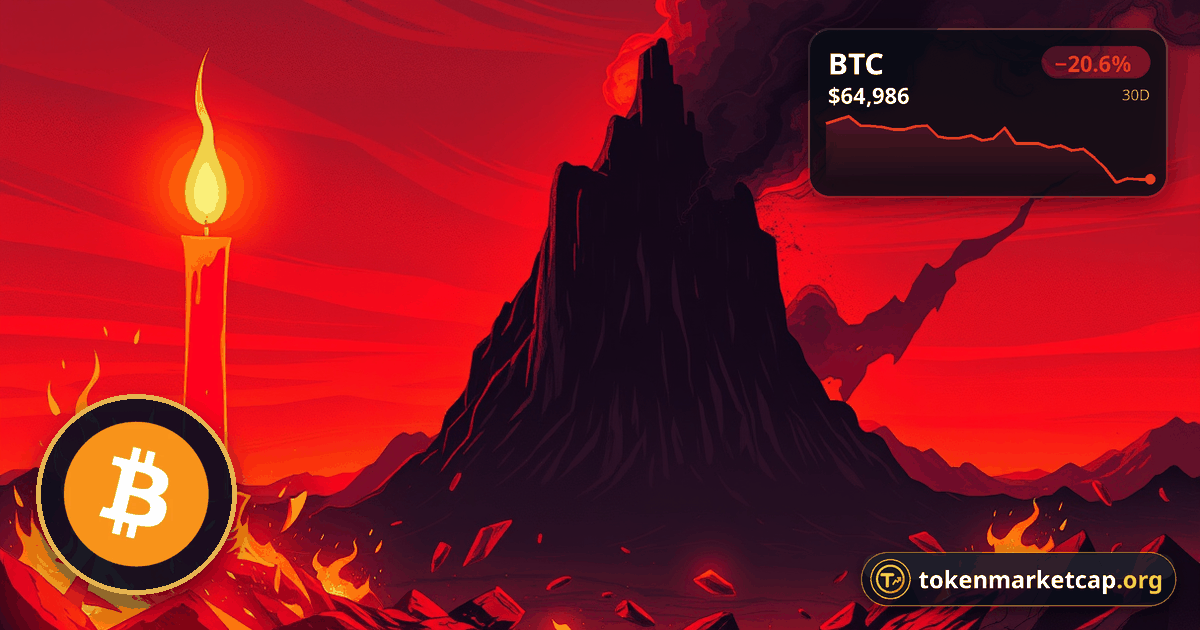
This massive security breach highlights ongoing vulnerabilities within centralized exchange infrastructure and underscores the persistent threat posed by advanced state-sponsored cyber syndicates. While Binance managed to stabilize user flows and replenish the lost capital from internal balances, the incident triggered immediate capital flight from spot investment vehicles. Market observers remain focused on how effectively blockchain analytics firms can track the remaining laundered funds across privacy tools and cross-chain bridges. Key questions persist regarding whether international agencies can successfully recover the outstanding billions or if future regulatory oversight on centralized platforms will tighten dramatically in response.
よくある質問
Which group did the FBI blame for the Binance hack?⌄
The FBI attributed the security breach to a North Korean-backed hacking collective known as TraderTraitor. This conclusion matched independent findings from blockchain analytics firms TRM Labs and Chainalysis.
How has Binance responded to the missing funds?⌄
Binance announced that its corporate treasury, insurance funds, and emergency reserves covered approximately 95 percent of the impacted assets. The exchange also resumed phased withdrawals across multiple networks while implementing enhanced security verifications.
この記事をどう思いましたか?
参照元
この記事について
TokenMarketCapニュースデスクによる執筆。同じ開発に関する複数の独立したレポートを読み込み、独自に記事を作成します。他者の文章の転載や翻訳は一切行いません。数値は公開前に情報源と突合して確認しています。
本記事は情報提供のみを目的としており、投資助言ではありません。判断の前にご自身で調査してください。