BTCS Sells Significant ETH Holdings to Cover Aave Loan
Nasdaq-listed BTCS sold $43.8 million worth of Ethereum to repay a loan on Aave, citing market volatility and liquidation risk. The move underscores the challenges faced by crypto firms and highlights risks within decentralized lending.
主なポイント
- BTCS sold approximately 27,300 ETH, representing roughly $43.8 million in value.
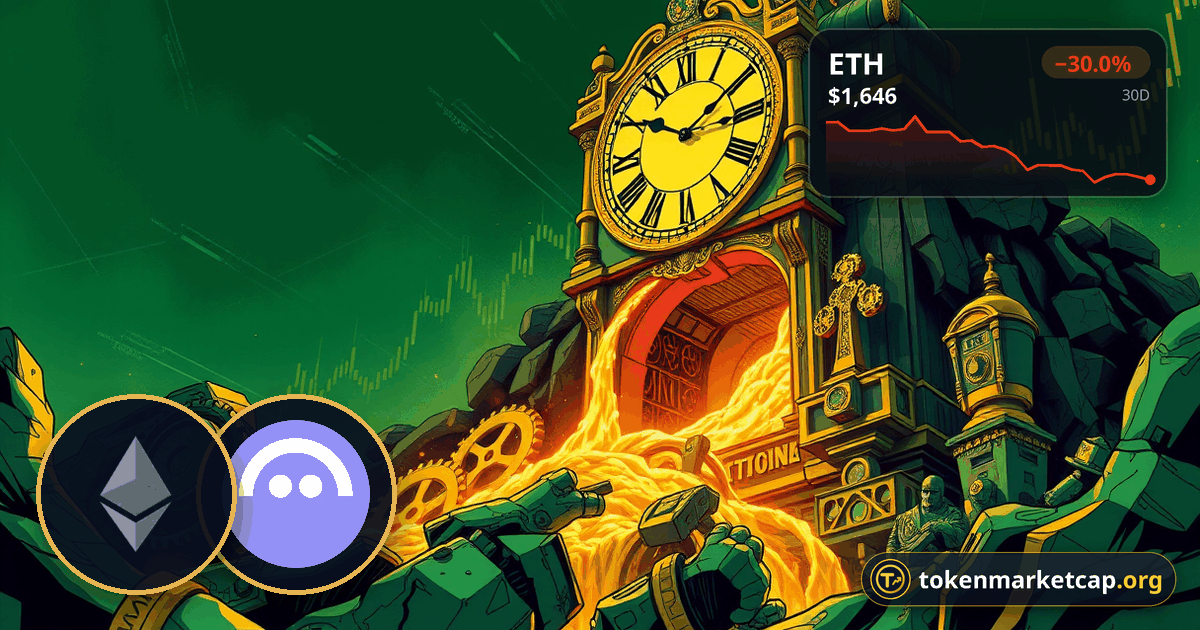
Nasdaq-listed firm BTCS has significantly reduced its Ethereum ETH (ETH) holdings, selling approximately 27,300 ETH, valued at roughly $43.8 million, to repay a debt on the decentralized lending protocol Aave AAVE. The move, described by BTCS CEO Michael Green as a difficult decision, was taken to mitigate the risk of collateral liquidation during a recent market downturn.
Background on BTCS and Aave
BTCS, formerly known as BTCE, is a Nasdaq-listed company focused on Bitcoin BTC and Ethereum mining and holding. The company utilizes various strategies, including staking and lending, to generate revenue from its digital asset holdings. Aave is a popular decentralized lending protocol where users can borrow and lend cryptocurrencies. When users borrow assets, they must provide collateral to secure the loan, and if the value of the collateral falls below a certain threshold, it risks liquidation.
- 27,300 ETH
- ETH Sold
- $43.8 million
- Value of ETH Sold
Details of the Aave Loan
BTCS had secured a loan on Aave using ETH as collateral. The exact terms of the loan, including the interest rate and the collateralization ratio, were not fully disclosed in the provided sources. However, the recent market volatility and decline in ETH's price triggered concerns about the potential for liquidation, prompting BTCS to take action.
Why the Sale Occurred and What BTCS Said
The sale of 27,300 ETH, valued at approximately $43.8 million, was a direct response to the current market conditions and the associated risk of the Aave loan. According to BTCS CEO Michael Green, the decision was not taken lightly, and was necessary to proactively manage the company's exposure. “We do not take this lightly,” Green stated, highlighting the seriousness of the situation.
Financial Details of the Transaction
The sale significantly altered BTCS's ETH holdings. The following table summarizes the key financial details:
| Metric | Value |
|---|---|
| ETH Sold | 27,300 |
| Value of ETH Sold (USD) | $43.8 million |
| Purpose of Sale | Repay Aave loan and reduce collateral liquidation risk |
What This Means for BTCS and the Market
The decision by BTCS to sell a substantial portion of its ETH holdings has several implications. Firstly, it demonstrates the risks associated with decentralized lending protocols, particularly during periods of market volatility. Secondly, it reveals the challenges faced by publicly-traded companies operating in the crypto space. The move may also impact investor sentiment towards BTCS and other firms engaging in similar lending strategies. The market reacted with concern, highlighting the potential domino effect of deleveraging events in the crypto sector.
- Significant ETH Sale: BTCS sold 27,300 ETH.
- Value of Sale: The transaction involved approximately $43.8 million.
- Reason for Sale: The sale was to repay a loan on the Aave protocol and avoid collateral liquidation.
- Company Response: BTCS's CEO described the decision as a serious measure taken to mitigate risk.
Moving forward, investors will likely scrutinize BTCS's financial strategy and risk management practices more closely. The incident serves as a reminder of the inherent risks in decentralized finance and the importance of prudent collateralization strategies. Future events will need to demonstrate a commitment to stability and risk mitigation within the digital asset space.
よくある質問
Why did BTCS sell its Ethereum?⌄
BTCS sold 27,300 ETH, worth approximately $43.8 million, to repay a loan on the Aave protocol and to prevent the loan’s collateral from being liquidated due to market volatility.
What is Aave?⌄
Aave is a decentralized lending protocol where users can borrow and lend cryptocurrencies. When borrowing, users must provide collateral to secure the loan, and if the collateral's value drops too low, it risks liquidation.
この記事をどう思いましたか?
参照元
この記事について
TokenMarketCapニュースデスクによる執筆。同じ開発に関する複数の独立したレポートを読み込み、独自に記事を作成します。他者の文章の転載や翻訳は一切行いません。数値は公開前に情報源と突合して確認しています。
更新日時: 2026年11月25日
本記事は情報提供のみを目的としており、投資助言ではありません。判断の前にご自身で調査してください。