Trezor Safe 5 Implant Report Prompts CryptoBilis Buyer Warning
Trezor told CryptoBilis buyers since March 2026 to move funds after an Indonesian customer reported a cellular implant inside a Safe 5 wallet.
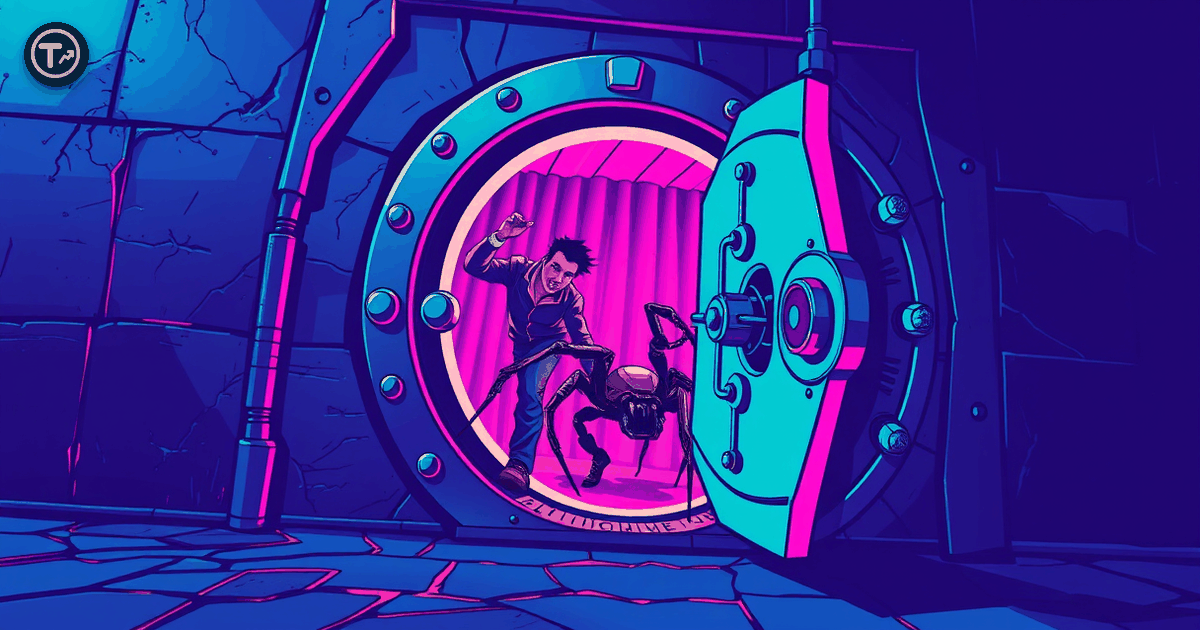
Trezor is telling anyone who purchased one of its hardware wallets through the now-dropped reseller CryptoBilis since March 2026 to treat their recovery phrase as compromised. The warning came after a customer in Indonesia described finding a hidden circuit board with a cellular radio inside a Trezor Safe 5. Trezor has not examined the unit yet. It says it is acting early because the account looks credible, and no buyer has reported losing money so far.
What the Customer Says Was Inside the Device
According to the account Trezor shared on Friday, the extra board sat between the wallet's main circuitry and its display. It reportedly carried a mobile-network module and an antenna. The reported design would capture whatever appears on the screen, including the backup words shown during setup, and transmit that data each time the wallet is connected to power. The buyer reportedly bought the Safe 5 on the Indonesian marketplace Tokopedia in August.
Trezor stresses that none of this is confirmed in its lab. It based its decision on the buyer's written description and a video interview. Chief commercial officer Danny Sanders told Cointelegraph the company preferred to alert users immediately rather than risk someone being drained while it waited for proof.
What Trezor Is Asking Affected Buyers to Do
The guidance covers any Trezor device obtained from CryptoBilis from March 2026 onward:
- Set up a fresh wallet with a brand-new recovery phrase and transfer all holdings to it promptly.
- Never enter the old phrase again, on any hardware.
- If the device is still unopened or not yet initialised, leave it unused.
- Keep the CryptoBilis unit and ask Trezor Support for a replacement.
A spokesperson described Trezor's sales through this channel as "very small" but gave no numbers. The company also admitted it does not yet know at what point in the supply chain the alleged tampering took place, or who carried it out.
Background: The Ledger Case and CryptoBilis
CryptoBilis, a reseller operating in Southeast Asia, first came under scrutiny when Ledger owners who had bought through it began reporting losses around October 9. Ledger's internal security unit, Donjon, later found a hardware implant in an affected device that captured the 24-word seed while it was displayed during initialisation and relayed it over LTE. Ledger says every confirmed theft so far traces back to devices sold by CryptoBilis, and it has asked resellers across seven Asian markets to stop selling its products. Blockchain analytics firm Chainalysis said one of the biggest victims, itself a scammer, lost more than 60 BTC, valued at roughly $4.8 million.
Trezor cut CryptoBilis from its authorised network on October 9, then announced on October 13 that it would shrink its reseller roster. Before the new report, it had opened four CryptoBilis-sourced units covering its Safe 3, Safe 5 and Safe 7 product lines and found nothing suspicious. Trezor says the newly described board "appears to operate similarly" to Ledger's case but declines to compare them while both inquiries continue.
The episode exposes a gap in standard protections. Trezor has said its setup checks look for counterfeit hardware and altered firmware, whereas the Ledger implant simply read the display and left the firmware untouched. The spokesperson acknowledged that tamper seals and packaging alone are not enough. Separately, security researcher Joe Grand said he flagged tampered Trezor One and Model T units sold by unauthorised TikTok and Facebook sellers to the company in August.
A Difficult Year for Trezor's Partners
This is not Trezor's first problem with a third party. In August, it disclosed that a breach at fulfilment firm ShipMonk had leaked names, phone numbers and home addresses of almost 14,000 US customers, and that count rose by a further 67,000 in September.
Our Assessment
Hardware wallets are designed on the premise that the seed never leaves the device. An implant that simply watches the screen sidesteps firmware checks entirely, which shifts the weak point to physical distribution. The open questions are whether Trezor's lab confirms the board, where the modification happened, and whether other resellers are affected. Generally, buying directly from the manufacturer reduces this kind of exposure. Watch for Trezor's lab findings and any changes to its hardware safeguards.
Bagaimana pendapat Anda tentang berita ini?
Sumber
Tentang artikel ini
Ditulis oleh tim redaksi berita TokenMarketCap. Kami membaca beberapa laporan independen tentang perkembangan yang sama lalu menulis beritanya sendiri; kami tidak pernah menerbitkan ulang atau menerjemahkan tulisan pihak lain. Semua angka diperiksa terhadap sumbernya sebelum dipublikasikan.
Artikel ini hanya untuk informasi dan bukan saran investasi. Lakukan riset sendiri sebelum mengambil keputusan.